
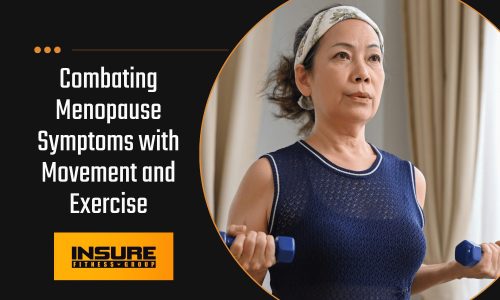
Why Is Menopause So Tough, And What Can Fitness Professionals Do About It?
Menopause is a natural life transition that gets a pretty bad rap. I have watched some clients navigate it with impeccable grace, and have seen it knock others right over. Menopause is the bridge between childbearing years and those of being older and wiser. It impacts a woman’s body composition, mental health, and quality of life, which makes it important for us as trainers to understand and empathize with.
In order to help our female clients cross this bridge, we need to bring a toolkit that includes an understanding of how and why fitness matters during menopause, effective exercises to relieve symptoms, and positive coaching to keep our clients moving onward and upward. This article will give you the tools to start coaching menopausal clients with confidence. Grab your fitness toolbox and let’s go!
How Does Exercise Help Combat Menopause Symptoms?
The first step in combatting exercise with menopause is understanding menopause itself. Menopause occurs when a woman stops menstruating permanently, which typically occurs in the late 40’s to mid 50’s and lasts several years. A woman is considered to be in menopause when she has not experienced a period for at least one year.
Associated with the change are a decline in estrogen and progesterone hormones. The National Institute on Aging links these hormonal changes with many of the symptoms women experience in menopause, including mood swings, night sweats, hot flashes, and decreased sleep quality. During menopause, the body begins to use and store energy differently. This can change fat distribution in the body, decrease bone density, and reduce overall energy. Left untreated, these can lower a woman’s health and self-confidence.

However, regular exercise can turn these symptoms around. Studies show that regular exercise significantly improves brain health, mental health, and cardiovascular health during menopause. A collection of research published in the journal Menopause provided significant insight into exercise’s effect on menopause symptoms. It found that both aerobic activity and resistance training can reduce hot flashes, especially in women experiencing menopause and depression. Regular moderate-intensity workouts ease vasomotor symptoms and improves quality of life.
Creating an exercise program that includes aerobic activity can boost cardiorespiratory capacity and improve mood. Combining that with joint-friendly resistance training can help clients with menopause maintain bone density and increase strength. Working together, they improve body composition, reduce hot flashes, and contribute to better mental health.
With basic programming in place, let’s dive into the types of exercises we want to be doing with our clients during their menopausal years.
What Types of Exercise Help Maintain Muscle Mass and Bone Health?
If you’ve read our article on premenopause, you know how important strength training is before, during, and after menopause. Why? Five words – muscle mass and bone density. These two elements are crucial for safe and independent living in life’s later years. We may not be able to stop the aging process, but we can certainly alter how it affects out clients. The best strength training program for menopause starts years before it starts. If you have clients in the pre- or perimenopause stages, help them get in the habit of strength training. If your clients have already reached the menopause stage, it’s not too late.
Strength Training for Strong Bodies
Start with simple, compound joint exercises that recruit large muscle groups. Try a leg press, TRX squat, or a wall sit for leg exercises. For upper body, seek out exercises that are functional, like a shoulder press, bent over row, or triceps press.
In the beginning, keep exercises simple to execute, so that clients can learn to lift with proper form. Not only does this make them stronger, but it also reduces the risk of injury to the client and your liability as a trainer. Utilize different types of strength training methods including bodyweight exercises, resistance bands, weights, machines, and suspension trainers.
An easy way to get started with this is picking an exercise and progressing it through different types of equipment. Take the back squat for example. Many menopausal women may struggle with this if they haven’t been exercising regularly. Instead of putting them right underneath a squat rack, start with a wall sit or lightweight leg press to help them find the position and movement of a squat while staying in an easy range of motion.

When they’re ready, move them to a suspension trainer for further movement mastery with assistance to balance and build strength. Next up is a bodyweight squat utilizing whatever their range of motion is. Once they have established a strong base and healthy movement patterns, you can begin introducing weights as a barbell or dumbbells. Research has found that progressive resistance training such as this can actually increase bone density in the hips when done consistently over a two year time.
Adding Enjoyment with Aerobic Training
Aerobic training can also positively impact bone density when appropriate weightbearing activity is done. Exercise such as walking, hiking, and jogging are all beneficial for bone density. Choose lower impact options such as bicycles or ellipticals for clients who have excessive joint wear or pain that is exacerbated by impact.
Moderate- to vigorous-intensity exercise is the goal here. It supports healthy weight management, the development of lean muscle mass, and helps guard against bone loss. Many clients either love or hate cardio, and it’s part of our role as trainers to guide clients to options that are effective and also enjoyable.

When I was working at a gym several years ago, we started a cardio club for women in their 40’s to 60’s (though anyone was welcome to join). It was an easy way to increase social time and add an element of accountability to workouts that were often getting skipped. We’d meet up a couple of times a week and I would plan different cardio activities, sometimes on machines, sometimes outside, and other times moving around the gym. Don’t be afraid to step away from the traditional cardio ideas. Get creative with your programming and let your clients’ interests guide their movement.
How Can Trainers Create Safe, Effective Menopause-Friendly Workout Plans?
When you plan your client’s next cardio or strength routine, enjoyment is key, but safety reigns supreme. There are basic safety principles that we should follow when working with all populations, and a few extras to consider when training clients during menopause.
You can also look into getting certified in this specialty, like through ASFA’s Menopause Fitness Certification course.
Safety Precautions for Exercising During Menopause
A decline in estrogen can bring on pain and stiffness in joints. Estrogen plays a key role in joint lubrication and reducing inflammation. To counter this, ensure your clients have a proper warm up and allow for more time to warm up stiff joints and teach joint-friendly exercises. Encourage the consumption of anti-inflammatory foods to help the body from the inside out.
Be prepared for hot flashes. Some may be predictable, but for many women, hot flashes come and go erratically. That doesn’t mean you can’t plan for them in your workouts. If possible, exercise under or near a fan or prop a door open for better ventilation. Ensure that your clients stay well-hydrated and provide options to rest or lower exercise intensity if a hot flashes arises. Acute bouts of exercise may temporarily exacerbate hot flashes if they occur during exercise, but regular exercise has been shown to reduce symptoms of hot flashes overall.

Be mindful of your clients’ mental health. Cognitive and mental health changes that occur during menopause are often pushed under the rug, but play a significant role in exercise adherence and overall healthy living. Encourage positive thought patterns and exercises that invite confidence and independence.
Each of your clients will experience menopause and its symptoms differently. Whether their symptoms include hot flashes, joint pain, or a myriad of other discomforts, one of the best things you can do is to listen. Listen to understand their experience, not just to solve their problems.
Menopause Isn’t the End, It’s Just the Next Chapter in Strength
On the path to better health, menopause creates two diverting paths – one where a woman allows symptoms to stop her movement, and the other where a woman takes control of her symptoms through movement. Encourage your clients to take the latter path. Is is, perhaps, the more challenging one, but also the one that brings greater symptom relief and greater long-term well-being. Movement during menopause supports bone health, weight management, and physical and mental strength. Prioritize strength training and aerobic activity for your clients during their menopausal years and set them up for strength and success.
Ready to Support Clients Through Menopause? Start with Confidence and Coverage
As a personal trainer or fitness instructor, your guidance is life-changing for clients experiencing menopausal symptoms. Make sure you are protected while you help women reclaim their strength. Explore Your Coverage Options with Insure Fitness Group to find legal protection and peace of mind in every step, lunge, and squat along the way.


